


What Is KDSS and What Does It Do?
KDSS, or Kinetic Dynamic Suspension System, uses hydraulic cylinders connected to the vehicle’s sway bars to reduce body roll on the road while allowing greater suspension articulation off-road.
This unique system provides a great balance of on-road handling and off-road capability, but its design can create some additional considerations when lifting a 4Runner. In this guide, we’ll explain how KDSS works and what you need to know when upgrading your suspension.

How Does the KDSS System Work?
The KDSS system uses a hydraulic ram mounted to the passenger side of the sway bar, along with a fixed link on the driver side. The sway bar is extremely stiff, and the hydraulic ram can extend or compress as the suspension moves. This allows KDSS to control body roll during on-road driving while still allowing increased suspension articulation when driving off-road.
Year models it comes on? (optional)
2010-2024 Toyota 4Runner TRD Offroad
2008-2021 Toyota Land Cruiser
2007-2014 Toyota FJCruiser
2010-2023 Toyota Prado
2003-2009 Lexus GX460
2010-2023 Lexus GX460
2024+ Lexus GX550

Can You Lift 4Runners with KDSS?
KDSS-equipped 4Runners can be lifted, but there are two common issues to consider: KDSS lean and changes in ride quality.
Due to the system’s design limitations, we recommend a maximum lift of 2.5” in the front and 1” in the rear for KDSS-equipped models. This setup helps maintain good ride quality while minimizing the potential for KDSS lean, providing a balanced suspension setup for both daily driving and off-road use.
What Causes KDSS Lean?
KDSS lean is one of the most common issues that can occur when lifting a 4Runner too much. Excessive lift can push the KDSS system beyond its intended operating range, causing the vehicle to sit lower on the driver’s side.
The most reliable way to prevent KDSS lean is to stay within a reasonable lift height. For KDSS-equipped 4Runners, we recommend limiting the front lift to 2.5” and the rear lift to 1”.

|

|

|
What Are the Travel Limits in the Rear?
Rear suspension travel on KDSS-equipped 4Runners is primarily limited on the passenger side. Depending on the setup, the stiff sway bar and its fixed mounting point can reach their limits and bind, while the panhard bar can also contact the axle during droop. So far, we haven’t found a rear panhard bar that provides a significant increase in usable rear travel.
KDSS 4Runners can run either stock-travel or extended-travel rear shocks. Extended-travel shocks can improve articulation on the driver-side rear, but they also allow enough droop for the panhard bar to contact the axle on the passenger side.
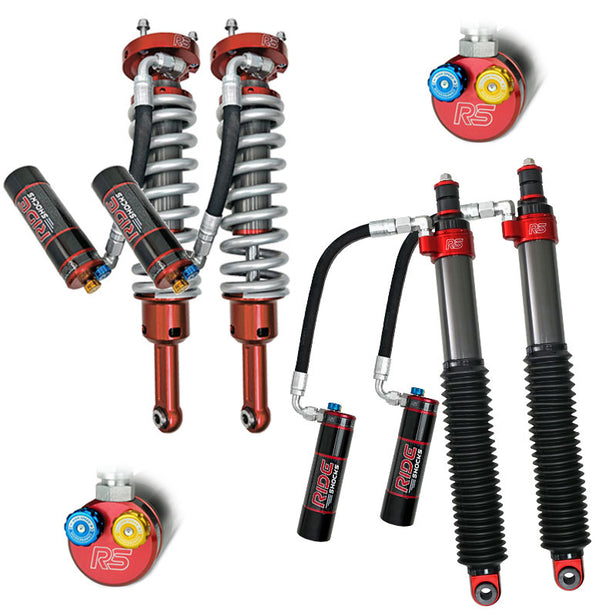
The longest rear shock we’ve found that can fully utilize the available suspension travel without interference measures approximately 25” from the upper mount to the center of the lower bolt. Ride Shocks offers a rear 4Runner shock with an extended length of 25.86”, providing additional usable travel while remaining within the practical limitations of the KDSS-equipped rear suspension. Many KDSS-equipped 4Runners run 26” or longer rear shocks without issues, but the additional shock length cannot necessarily be fully utilized because of the suspension’s travel limitations and potential interference with the KDSS sway bar and panhard bar.

KDSS Drop Bracket
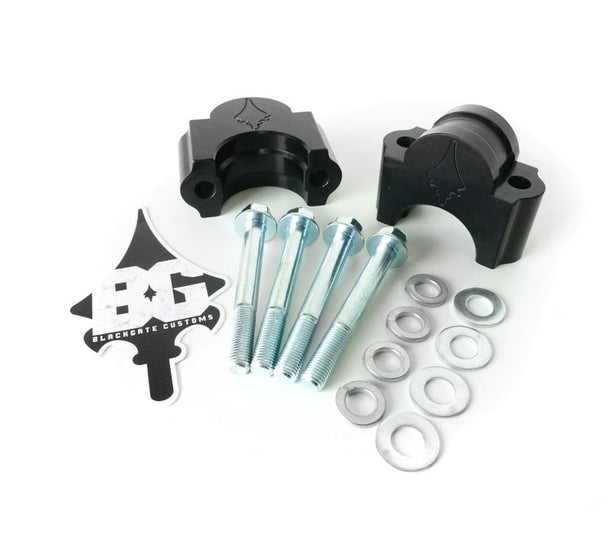
Black Gate Customs is one company that offers a KDSS drop bracket designed to prevent the track bar from contacting the sway bar at full suspension droop. This bracket can help accommodate greater lift heights, but it also moves the sway bar outward, which increases the risk of it contacting rocks and other obstacles during off-road driving.
For more information about the KDSS drop bracket, click here.
Can You Disconnect the KDSS System?
We do not recommend disconnecting the KDSS system. Because KDSS is an integrated electronic and hydraulic system, disconnecting or modifying it can cause warning lights or other issues and may potentially affect your vehicle’s warranty.
If the KDSS system requires service or repair, we recommend having it inspected and serviced by a qualified Toyota dealer.
Final Thoughts
KDSS is one of the features that makes the 4Runner such a capable vehicle both on and off the road. While it does create a few additional considerations when upgrading the suspension, it does not mean you have to sacrifice performance or ride quality.
The key is choosing a suspension setup that works with the KDSS system rather than trying to work around it. Keeping lift heights reasonable, understanding the limitations of rear suspension travel, and selecting properly matched shocks and springs can help you get the most out of your 4Runner without creating unnecessary clearance or handling issues.
If you are building a KDSS-equipped 4Runner for daily driving, weekend trails, or more aggressive off-road use, there are plenty of suspension options available. The important part is understanding how the components work together and choosing a setup based on your vehicle, its weight, and how you plan to use it.
With the right suspension setup and a good understanding of KDSS, you can improve your 4Runner’s ride quality, handling, and off-road capability while still retaining the benefits of the factory system.
Related Products
Contact Us
How Can We Help You Today?
The Ride Shocks team is available to answer fitment questions, assist with weight range selection, provide order status updates, and handle warranty claims. We're enthusiasts ourselves — we understand that getting the right suspension setup matters, and we'd rather take the time to answer your questions upfront than troubleshoot problems after the fact.
If you're unsure which weight range is right for your build, reach out before you order. Tell us your vehicle, trim, and all planned accessories and we'll point you to the correct configuration.