
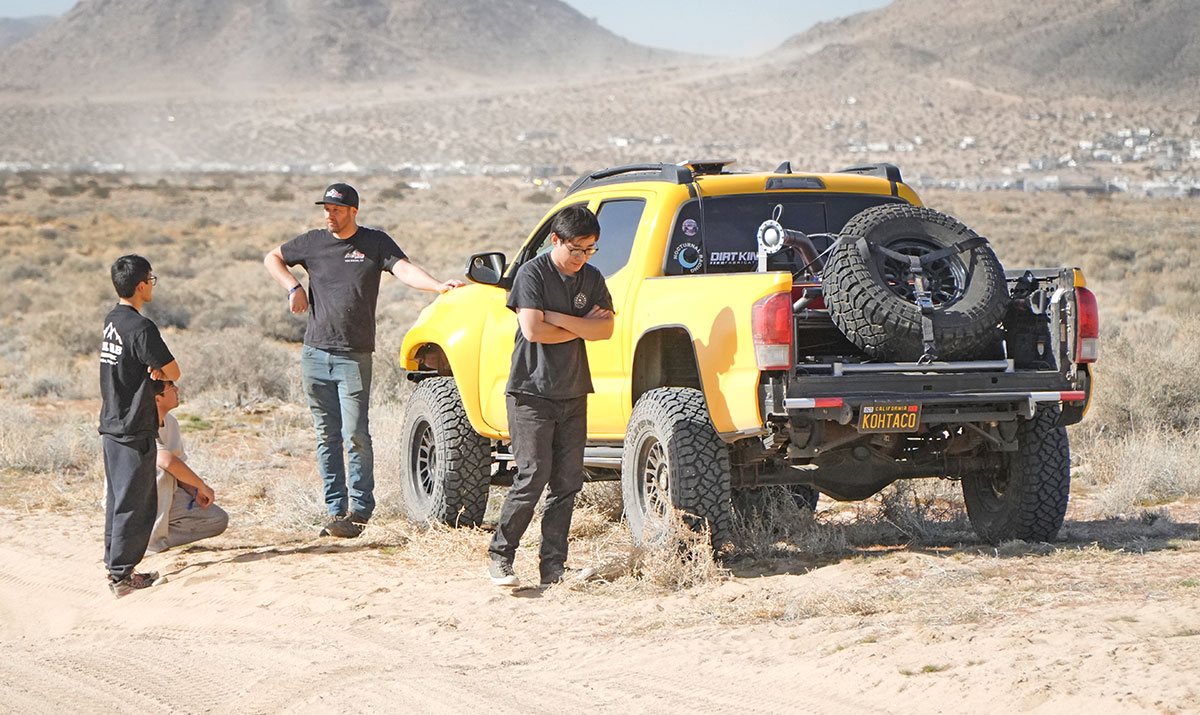
For decades King of the Hammers has been one of the most intense offroad racing events in the world. Every year thousands of offroad enthusiasts travel from around the United States and beyond to Johnson Valley in Southern California to witness or participate in the brutal test of man and machine that pits rock crawling against high speed desert racing. King of the Hammers is not just a race. It is a community, a celebration of offroad culture and innovation, and a testament to the resilience of drivers, teams and fans. With that passion and energy, however, comes an environmental challenge that cannot be ignored. The King of the Hammers trash problem has become a focal point for racers, local officials, and conservation advocates who want to protect the desert landscape that makes the event possible.

The Popularity of King of the Hammers and Its Environmental Impact
King of the Hammers has grown from a niche offroad event into a phenomenon in the offroad world. It combines elements of rock crawling and high speed desert racing, creating a unique challenge that attracts spectators by the thousands. The offroad trails near Johnson Valley have become synonymous with extreme terrain that tests suspension, tires, drivetrains and driver skill like no other race. While this growth is a testament to the sport, it also creates logistical and environmental pressures that did not exist when the event was smaller.
The desert ecosystem around Johnson Valley is fragile. What may appear to be an endless expanse of open land is rich with flora and fauna that have adapted to years of harsh conditions. The ecosystem can be particularly sensitive to human impact, especially if proper planning and cleanup protocols are not followed. As the popularity of the race has increased, so have the number of vehicles, RVs, spectators, vendors and support crews that descend on the area each year. With greater numbers of people comes more trash, more congestion and more strain on local resources.

Understanding the Trash Problem at King of the Hammers
When people think about trash at a big event they might picture overflowing garbage cans or littered parking lots after a concert. The King of the Hammers trash problem is more complex because it is spread across a vast expanse of desert terrain. Trash can appear on trails, at campsite areas, at spectator vantage points and even in remote sections of the course that seem far from human activity.
The types of trash left behind can range from water bottles and food wrappers to more problematic items such as forgotten vehicle parts, plastic containers, batteries and hazardous materials like oil and fuel cans. These items not only detract from the natural beauty of the desert but can pose hazards to wildlife and create long term degradation of the environment. Plastic waste, in particular, can take decades to break down in arid environments, and metal debris can rust and leach chemicals into the soil over time.
The Toll on Wildlife and Habitat
The California desert is home to a variety of species adapted to survive in harsh conditions. Creatures like the desert tortoise, jackrabbits, lizards and a variety of birds depend on the landscape for survival. Trash left on trails and in camp areas can interfere with natural behavior and movement. Wildlife can ingest small pieces of plastic or get injured by sharp metal objects. When trash becomes embedded in the natural environment, it can change habitats, disrupt food sources, and reduce the capacity of animals to thrive in an already challenging ecosystem.
Because of this, local conservation groups, volunteers and some offroad racing teams have raised concerns about how the event footprint affects wildlife. The desert is not a limitless resource, and when it is treated as such the long term consequences can be serious. The King of the Hammers trash problem has therefore become synonymous with a call to action among those who value responsible offroading and sustainable outdoor recreation.
Efforts to Organize Clean Ups
In response to the growing trash problem, organized clean ups have become a central part of the King of the Hammers experience for many participants. Offroad clubs, community volunteers, sponsors and even racers themselves have begun to take ownership of the cleanup challenge. These efforts range from informal pick up campaigns at the end of the race to fully coordinated, multi day trash removal projects that bring in specialized equipment.
For example, some offroad organizations will host planned clean up days that occur immediately following the event. Volunteers fan out across marked trails, camping zones and spectator areas to collect trash in trash bags and bins. Teams with larger vehicles may haul out bulky debris that would otherwise take months to degrade in the desert. These cleanup efforts not only restore the land to its original condition but also reinforce a culture of stewardship within the offroad community.

The Role of Offroad Enthusiasts in Responsible Recreation
Offroad enthusiasts are passionate about their sport. They invest in capable vehicles, modify rigs for performance and push the limits of what their machines can do. This same passion can be extended to caring for the land that makes the sport possible. Responsible recreation is about more than picking up after yourself at a single spot. It is about adopting habits that reduce negative impact before, during and after an event.
Simple steps such as sealing and packing out waste, using reusable containers, and establishing designated trash drop off points can make a big difference. Participants who take a few extra minutes to pick up trash they did not personally create demonstrate leadership and respect for the land. When this behavior becomes the norm rather than the exception, the desert benefits and the King of the Hammers event maintains its legacy without leaving a long term footprint.
The Economic and Cultural Importance of King of the Hammers
King of the Hammers is more than a race. It is a major cultural event that draws thousands of visitors each year. Local businesses in communities near Johnson Valley depend on the influx of visitors for economic activity. Hotels, restaurants, fuel stations, equipment vendors and local services all see increased business during race week. This economic boost is significant for rural areas that might otherwise see limited tourism.
That economic value is tied directly to the event’s reputation. If the environmental reputation of King of the Hammers deteriorates because of trash problems and neglect of the land, long term support from local officials and residents could be affected. Keeping the desert clean is not only an environmental issue but an economic one. It preserves the event footprint, protects the terrain that racers love and ensures that local communities continue to benefit from the race’s draw.
Partnerships With Environmental Groups
Some race organizers and offroad associations have begun forming partnerships with environmental conservation groups to further enhance cleanup efforts. These partnerships can bring training, tools and volunteers to the table, expanding the capacity of cleanup campaigns. Conservation groups often have expertise in how to minimize environmental impact during large gatherings and can guide protocols that reduce long term harm.
When offroad associations and environmental groups work together they can develop reusable strategies for future events. These might include pre event trash removal campaigns, education on wildlife protection, signage about responsible behaviors and even mapping tools that identify high impact zones in need of attention. By collaborating, King of the Hammers organizers and environmental partners can build a model of sustainable offroad racing that other events may eventually emulate.
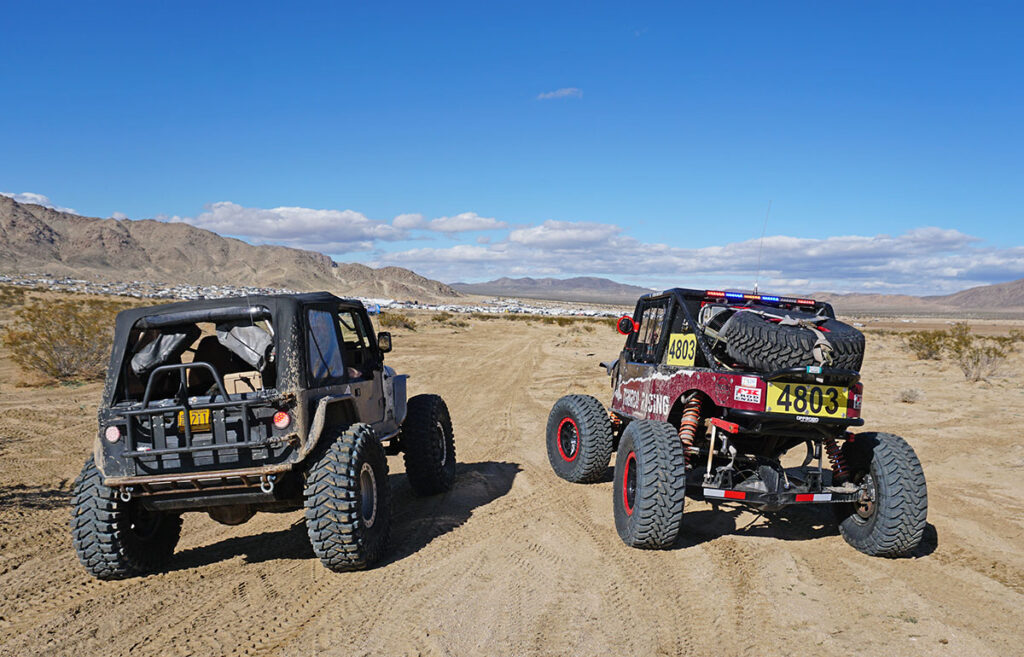
Actions Racers and Teams Can Take
Teams that compete at King of the Hammers can also contribute to solving the trash problem. Most teams bring support crews, vehicles and gear into the desert. This creates opportunities to incorporate environmental practices into normal routines. For instance, crews can establish centralized waste stations at pit areas that are frequently checked throughout the event. Separating recyclables, hazardous waste and general trash helps ensure that materials are disposed of properly.
Teams can also organize mini cleanup efforts during lulls in the race. Even if only a handful of people participate, every bit of trash collected helps reduce the overall impact on the environment. Some teams have even developed their own internal awards for environmental stewardship as a way to encourage participation and innovation in trash reduction.
Examples of Successful Cleanup Initiatives
In recent years, there have been documented successes involving offroad clubs and fans working together to clean portions of the trail. Large bags of trash have been hauled away, metal debris has been cataloged and recycled, and previously littered campsites have been restored to their natural state. These success stories are important because they show what is possible when the offroad community takes collective responsibility seriously.
Such stories also help spread awareness. When racers share pictures and tales of cleanup success on social media, it encourages others to follow suit. An event with a reputation for environmental care draws positive attention, reinforcing the idea that offroad enthusiasts can be both fierce competitors and thoughtful stewards of the land.
How Technology and Gear Can Help
Technology can play a role in addressing the trash problem as well. Trail mapping apps can identify areas that need cleanup. GPS tagged trash logs can help volunteers find spots where debris frequently accumulates. Drones can be used after the race to identify problem areas that may be difficult to reach on foot. Specialized offroad gear can also be part of the solution. Wheel mounted trash grabbers, vehicle mounted storage for waste and portable bins designed for rough terrain make it easier for crews to collect trash efficiently.
With innovation and thoughtful application of tools, offroaders can minimize their environmental footprint while still enjoying the thrill of competition and exploration. The same ingenuity that goes into suspension tuning, tire choice and engine performance can be applied to responsible land management.
The Importance of Awareness and Education
None of these cleanup efforts can work without awareness. Educating participants before they arrive at King of the Hammers about the importance of reducing trash and observing best practices can set the tone. Social media campaigns, prep videos, race emails and community forums are all platforms where education about trash reduction can take place. When new racers join the community they should understand that caring for the environment is part of the culture, not an afterthought.
A Vision for the Future of King of the Hammers
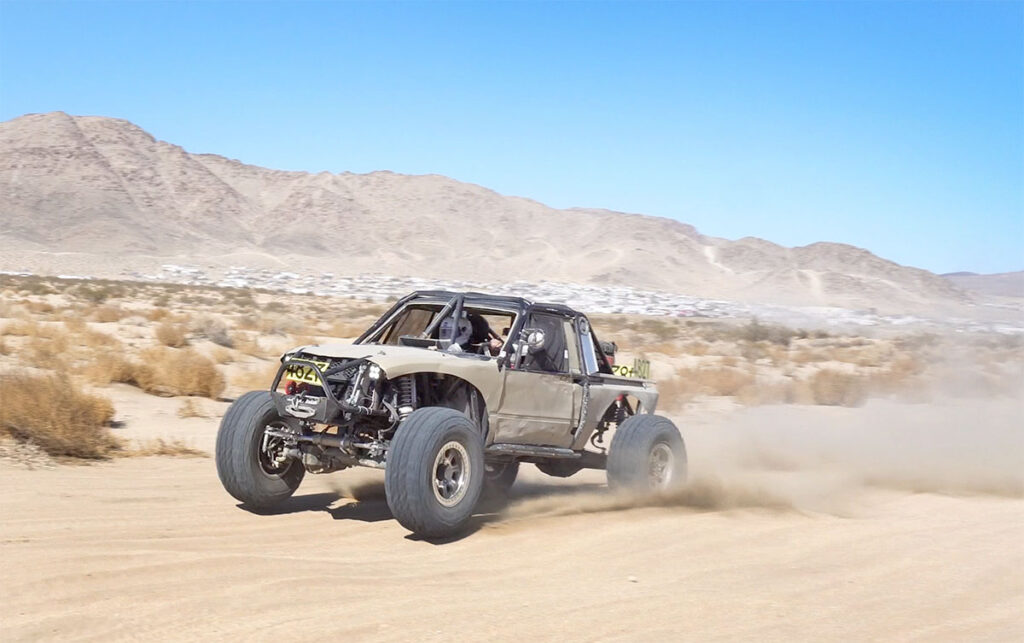
King of the Hammers has the potential to become a leader in how major offroad events approach environmental responsibility. By continuing to improve trash cleanup protocols, strengthen partnerships with conservation groups, engage volunteers, and educate participants, the race can protect the desert for future generations of racers and fans. That legacy is critical. The landscape that makes King of the Hammers legendary must remain intact if the sport is to thrive.
The trash problem at King of the Hammers is not going away on its own, but it is solvable. With commitment from organizers, racers, teams, sponsors, volunteers and fans, the event can be both a celebration of offroad racing and a model of responsible outdoor recreation.